




Contract Labor compliance in India has become one of the most critical responsibilities for HR teams, factory managers, and business owners, especially in industries that rely heavily on contractual workers. From manufacturing units to large-scale industrial operations, managing compliance is no longer just about documentation. It is about avoiding risks, penalties, and operational disruptions.
With multiple contract Labor laws in India, strict regulatory frameworks, and evolving workforce dynamics, organizations often struggle to maintain consistent Labor law compliance for contractors. Even a small gap in compliance can lead to serious legal consequences under the Contract Labor (Regulation and Abolition) Act.
In this blog, we will break down the most common Labor compliance challenges businesses face and how to overcome them effectively.
What is Contract Labor Compliance in India?
Before diving into the challenges, it is important to understand what contract Labor compliance in India actually means.
It refers to adhering to all legal and statutory obligations related to hiring, managing, and compensating contract workers. This includes:
- Contractor registration and licensing
- Maintaining statutory records
- Ensuring wage compliance for contract workers
- Managing PF and ESI compliance for contract Labor
- Following all rules under the CLRA Act compliance
Organizations must ensure that both the employer and contractor meet all compliance requirements for contractors to avoid liabilities.
Why Contract Labor Compliance is Critical for Businesses
Ignoring statutory compliance for contract Labor can result in more than just fines. It can disrupt operations and damage your company’s credibility.
Here’s why it matters:
- Avoid penalties under Labor laws
- Ensure smooth industrial operations
- Maintain workforce transparency
- Build trust with regulatory authorities
- Prevent legal disputes and shutdown risks
In sectors like manufacturing, factory Labor law compliance is closely monitored, making compliance even more essential.
7 Key Contract Labor Compliance Challenges in India
1. Lack of Proper Contractor Documentation
One of the most common challenges of managing the contract labor compliance in India is incomplete or outdated contractor documentation.
Many companies fail to:
- Verify contractor licenses
- Maintain updated agreements
- Track renewal timelines
This directly impacts contractor compliance management and increases legal exposure.
Without proper documentation, proving contract Labor compliance during inspections becomes difficult.
2. Difficulty in Tracking Wage Compliance
Ensuring accurate and timely wages is a major concern in contract Labor compliance in India.
Challenges include:
- Incorrect wage calculations
- Delayed payments
- Lack of visibility in contractor payroll
Maintaining minimum wages compliance India is mandatory, and any violation can lead to serious consequences.
Organizations must ensure full wage compliance for contract workers, even when payments are handled by contractors.
3. PF and ESI Compliance Gaps
Another major issue is managing PF and ESI compliance for contract Labor.
Companies often struggle with:
- Verifying contractor contributions
- Tracking employee coverage
- Ensuring timely deposits
Even if the contractor defaults, the principal employer can be held liable under Labor law compliance for contractors.
4. Poor Attendance and Workforce Visibility
In industrial environments, managing contract workers in industrial operations becomes difficult without proper tracking systems.
Common problems to manage contract labor compliance in India include:
- Manual attendance errors
- Proxy attendance
- Lack of real-time data
This creates issues in payroll processing and impacts overall contract Labor compliance.
5. Complex Legal Framework and Frequent Changes
The complexity of contract Labor laws in India makes compliance challenging.
Organizations must deal with:
- Multiple Labor laws
- State-specific regulations
- Frequent policy updates
Understanding and implementing CLRA Act compliance correctly requires continuous monitoring and expertise.
6. Risk of Penalties and Legal Actions
Non-compliance can result in severe penalties under CLRA Act.
Risks include:
- Heavy fines
- Legal notices
- Operational shutdowns
Failing to maintain proper statutory compliance for contract Labor can directly impact business continuity.
7. Lack of Centralized Compliance Management
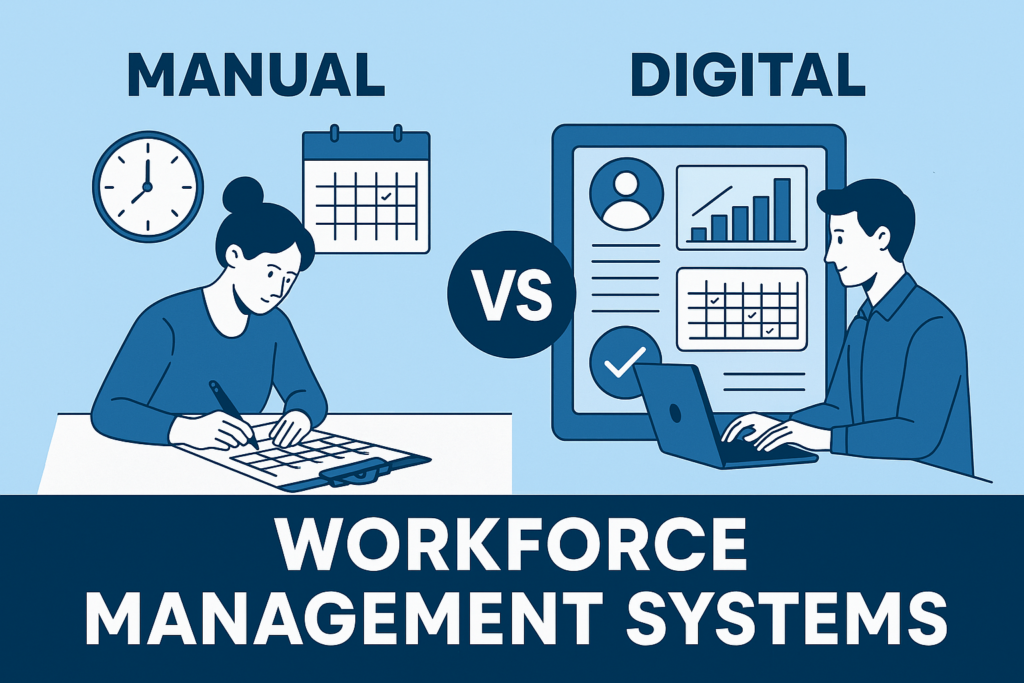
Most organizations still rely on manual processes, spreadsheets, or disconnected systems.
This leads to:
- Data inconsistency
- Missed deadlines
- Poor contractor compliance management
Without a centralized system, ensuring full contract Labor compliance in India becomes nearly impossible.
How to Overcome Contract Labor Compliance Challenges
Now that we understand the problems, let’s look at practical solutions.
1. Maintain a Compliance Checklist
Using the checklist of a contract Labor compliance in India helps ensure nothing is missed.
Include:
- Contractor license verification
- Wage records
- PF and ESI details
- Attendance logs
This improves overall Labor law compliance for contractors.
2. Automate Compliance Tracking
Manual tracking is one of the biggest reasons for compliance failures.
A digital system can help:
- Track documentation
- Monitor compliance deadlines
- Generate reports instantly
This significantly improves the management of contractor labor compliance in India.
3. Ensure Real-Time Attendance Monitoring
Accurate attendance is key to compliance.
Using digital tools helps:
- Eliminate manual errors
- Improve workforce visibility
- Ensure correct wage calculations
This strengthens factory Labor law compliance.
4. Regular Compliance Audits
Periodic audits help identify gaps in contract Labor compliance.
Focus on:
- Contractor documentation
- Wage payments
- Statutory contributions
Audits are essential to ensure how to ensure Labor law compliance in factories.
5. Partner with Smart Workforce Systems
Modern workforce management platforms simplify compliance.
They help:
- Centralize data
- Automate processes
- Reduce compliance risks
This is where solutions like Tempus Central can play a critical role in improving contract Labor compliance in India.
Role of Technology in Contract Labor Compliance
Technology is transforming how companies manage Labor compliance challenges.
A smart system can:
- Automate contract Labor compliance checklist
- Track compliance requirements for contractors
- Ensure minimum wages compliance India
- Monitor PF and ESI compliance for contract Labor
By digitizing processes, businesses can eliminate manual errors and ensure complete compliance.
How Tempus Central Helps in Contract Labor Compliance
Managing contract Labor compliance in India becomes much easier with the right platform.
Tempus Central enables organizations to:
- Digitally manage contractor data
- Track attendance in real-time
- Ensure accurate wage processing
- Monitor compliance records in one place
This improves overall contractor compliance management and reduces compliance risks significantly.
If your organization is struggling with Labor law compliance for contractors, adopting a centralized system can be a game changer.
Conclusion
Contract Labor compliance in India is no longer optional. It is a critical part of running a smooth and legally secure business, especially in industrial operations.
From documentation issues to wage compliance and legal risks, businesses face multiple Labor compliance challenges every day. However, with the right processes and technology, these challenges can be effectively managed.
By adopting structured systems, maintaining a proper contract Labor compliance checklist in India, and leveraging digital platforms like Tempus Central, organizations can ensure full compliance while improving operational efficiency.
If you’re looking to simplify compliance, reduce risks, and gain full visibility over your contract workforce, it might be worth seeing how this works in practice. You can book a demo with Tempus Central and explore how it fits your operations.