



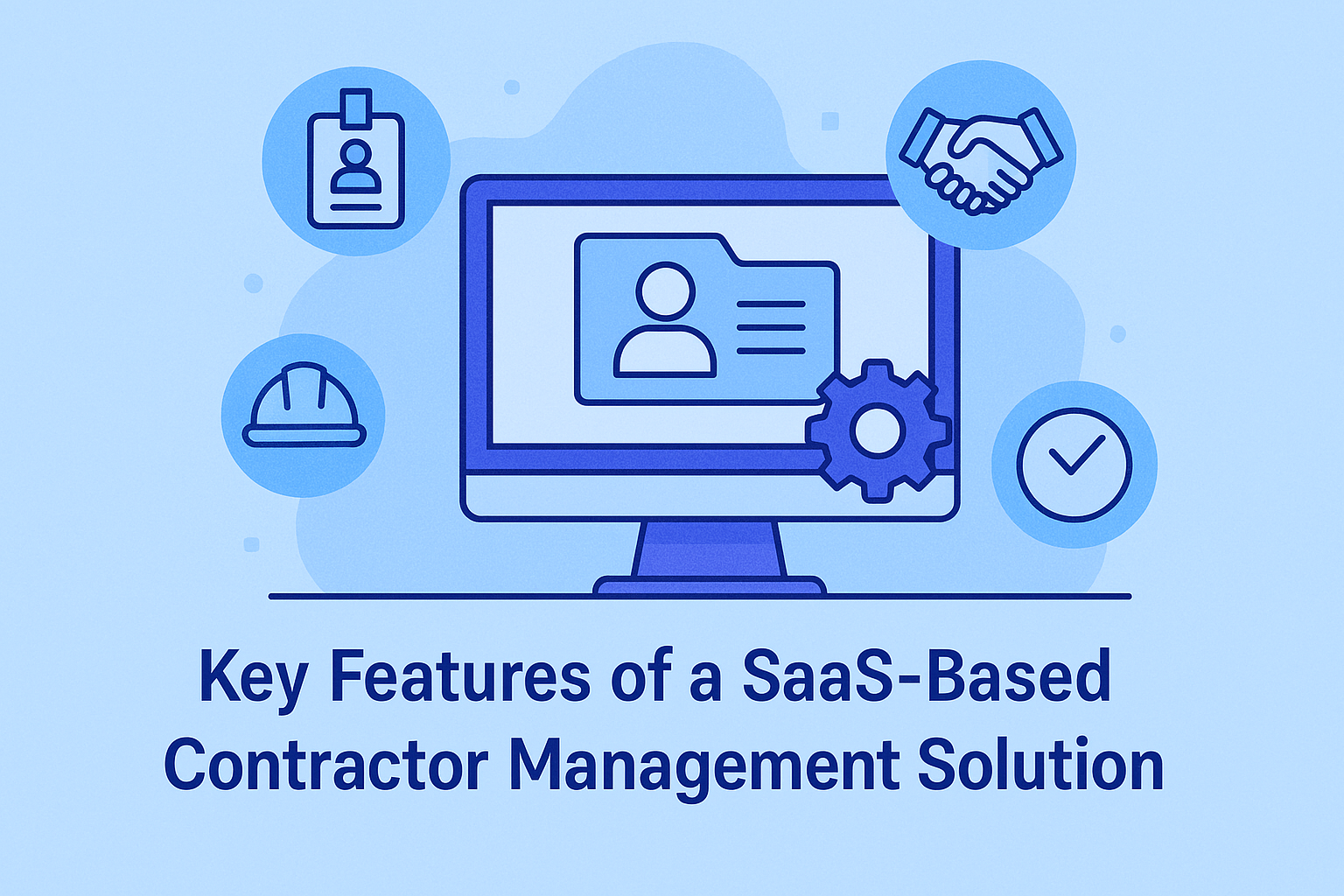
Managing an external workforce has become increasingly complex. Organizations collaborate with contractors, vendors, freelancers, and service partners across different locations, making manual or spreadsheet-based management inefficient and risky. This is where SaaS-based Tempus Central Workforce Management with Contractor Management Solutions (CMS) come in—cloud-driven platforms designed to streamline procurement, onboarding, compliance, monitoring, and payment of contractors.
A modern SaaS-based CMS doesn’t just digitize activities—it builds visibility, control, scalability, and compliance into the contractor lifecycle. Below are the essential features that make these solutions indispensable for businesses today.
1. Centralized Contractor Database
A unified repository allows organizations to store and manage:
- Vendor company profiles
- Individual contractor details
- Contact information
- Historical performance data
- Contract documents and expiry dates
This eliminates data duplication, improves accessibility across departments, and creates a reliable single source of truth.
2. Digital Onboarding & Credential Management
A SaaS CMS simplifies onboarding with automated workflows for:
- Submitting ID proofs, certifications, and licenses
- Policy acknowledgments
- Training completion (safety, compliance, etc.)
- Background verification uploads
The system ensures only credentialed and approved contractors enter the workplace—reducing risks and ensuring regulatory readiness.
3. Compliance & Risk Management
Contractor compliance is a critical challenge, especially in industries like construction, energy, utilities, and manufacturing. SaaS CMS platforms typically offer:
- Real-time tracking of document validity and renewals
- Automated risk alerts
- Compliance scoring
- Contractor insurance and certification monitoring
- Audit-ready data logs
This helps avoid legal exposure, penalties, and safety hazards.
4. Contract Lifecycle Management
Organizations can manage the complete contract cycle within the platform:
- Creation
- Approval workflows
- Version control
- Amendments
- Renewals and expirations
Smart notifications ensure no contract is overlooked, and automated templates accelerate the process.
5. Attendance & Workforce Tracking
For operational efficiency, SaaS CMS solutions often integrate:
- Mobile check-in/check-out
- Geofencing for onsite validation
- Biometric or RFID-based attendance (via integrations)
- Work hours logging
- Task or job allocation
This ensures transparency in contractor activities and improves productivity insights.
6. Health, Safety & Incident Reporting
A strong SaaS CMS supports workplace safety via:
- Safety training tracking
- PPE compliance
- Incident/near-miss reporting modules
- Safety audit checklists
- Real-time dashboards for safety KPIs
It helps businesses enforce safety standards and maintain a secure workplace.
7. Vendor Performance Evaluation
Analytics-driven performance reviews help organizations evaluate contractors based on:
- Timeliness
- Quality of deliverables
- Safety record
- Compliance adherence
- Cost efficiency
These insights improve decision-making for re-contracting or vendor replacement.
8. Workflow Automation
A major benefit of SaaS platforms is their ability to automate repetitive tasks:
- Document approvals
- Compliance alerts
- Payment triggers
- Contract renewals
- Onboarding sequences
Automation reduces manual workload, improves accuracy, and ensures process consistency.
9. Real-Time Dashboards & Reporting
SaaS systems offer visual dashboards that track:
- Contractor headcount
- Compliance status
- Contract cycles
- Attendance and productivity
- Site-level workforce distribution
Customizable reports help management make data-backed decisions quickly.
10. Seamless Integrations
These solutions typically integrate with:
- Payroll and finance systems
- HRMS/ERP software
- Access control systems
- Biometric devices
- Project management tools
Integrations ensure smooth information flow and eliminate double-entry errors.
11. Cloud-Based Accessibility & Mobility
Being SaaS, these platforms offer:
- 24/7 access from any device
- No infrastructure costs
- Faster deployment
- Automatic updates and enhancements
- Mobile apps for contractors and supervisors
This ensures flexibility and scalability as organizations grow.
Conclusion
A SaaS-based Contractor Management Solution is more than a digital tool—it’s a strategic enabler for operational efficiency, safety, and compliance. By centralizing information, automating workflows, and providing real-time insights, it empowers businesses to manage their extended workforce with confidence and control.
As companies move toward hybrid and flexible operational models, adopting a modern CMS isn’t just beneficial—it’s essential for staying competitive and compliant.