



As organizations scale and workforces become increasingly distributed, the need for agility, transparency, and efficiency in human resource operations has never been greater. SaaS-based workforce management solutions have emerged as a powerful enabler of this shift, and at the heart of these platforms lies Employee Self-Service (ESS)—a feature that transforms how employees and organizations interact with HR systems.
What is Employee Self-Service (ESS)?
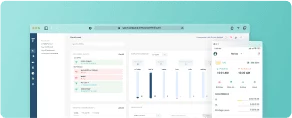
Employee Self-Service (ESS) is a digital capability within workforce management platforms that allows employees to independently access, manage, and update work-related information. Typical ESS functionalities include viewing payslips, applying for leave, updating personal details, tracking attendance, accessing schedules, and submitting requests—all without HR intervention.
In SaaS-based solutions, ESS is cloud-powered, accessible anytime and anywhere, and continuously enhanced through regular updates—making it especially relevant for modern, dynamic workplaces.
Why ESS is Critical in SaaS Workforce Management
1. Empowers Employees and Improves Experience
ESS puts employees in control of their information. Instead of relying on HR teams for routine queries or changes, employees can instantly access what they need. This autonomy fosters a sense of ownership, transparency, and trust while significantly improving the overall employee experience.
An intuitive ESS portal also aligns with today’s workforce expectations—especially among digital-native employees who value instant access and self-directed workflows.
2. Reduces Administrative Burden on HR Teams
Traditional HR departments spend a considerable amount of time on repetitive, low-value tasks such as data updates, leave balance checks, or document distribution. ESS automates and decentralizes these activities.
By shifting routine transactions to employees, HR teams can focus on strategic initiatives like talent development, workforce planning, compliance, and organizational culture—delivering higher business value.
3. Enhances Accuracy and Data Integrity
When employees directly update their personal and professional information, the likelihood of errors caused by manual entry or delayed communication drops significantly. SaaS-based ESS platforms often include validation checks, audit trails, and real-time synchronization, ensuring data accuracy across payroll, attendance, and compliance modules.
Accurate data not only improves payroll and reporting but also strengthens decision-making at leadership levels.
4. Enables Real-Time Access and Decision-Making
Cloud-based ESS allows employees and managers to access real-time information—whether it’s attendance trends, leave balances, or shift schedules. This immediacy is especially important in workforce management scenarios involving shift-based work, remote teams, or multi-location operations.
Managers benefit from quicker approvals and better visibility, while employees enjoy faster turnaround times for requests and clarifications.
5. Supports Scalability and Business Growth
As organizations grow, managing an expanding workforce manually becomes unsustainable. ESS scales effortlessly with SaaS platforms, supporting increased employee volumes without a proportional increase in HR headcount.
Whether onboarding new employees, expanding into new geographies, or adapting to regulatory changes, ESS helps organizations remain agile and responsive.
6. Strengthens Compliance and Transparency
ESS platforms often provide employees access to policies, attendance logs, leave records, and statutory documents. This transparency builds confidence and reduces disputes related to payroll, overtime, or leave calculations.
Additionally, SaaS workforce systems can enforce role-based access and compliance workflows, helping organizations meet legal and regulatory requirements with minimal risk.
7. Facilitates Remote and Hybrid Work Models
With remote and hybrid work becoming mainstream, ESS plays a pivotal role in keeping employees connected to organizational systems. From mobile attendance punching to digital approvals and document access, ESS ensures continuity regardless of location.
This flexibility not only supports business operations but also enhances workforce satisfaction and retention.
ESS as a Strategic Enabler, Not Just a Feature
In a SaaS-based workforce management ecosystem like Tempus Central, ESS is more than a convenience—it is a strategic enabler of efficiency, engagement, and digital transformation. Organizations that effectively leverage ESS gain a competitive advantage through streamlined operations, empowered employees, and future-ready HR processes.
As businesses continue to navigate changing workforce dynamics, investing in robust, user-friendly ESS capabilities is no longer optional—it’s essential.