



As businesses grow, operations become more complex, teams expand, and processes multiply. What once felt manageable with spreadsheets and manual tracking quickly turns into a challenge. This is where many organizations begin to struggle with their compliance management system.
In the early stages, compliance tasks like documentation, approvals, and reporting are relatively simple. But as companies scale, these processes become fragmented, increasing the risk of errors, delays, and non-compliance.
From employee compliance tracking to maintaining regulatory standards, scaling organizations often face serious audit and compliance challenges that impact both operations and growth.
What is a Compliance Management System?
A compliance management system is a structured approach that helps organizations ensure they follow all legal, regulatory, and internal policies.
It includes:
- Tracking employee and workforce compliance
- Managing documentation and records
- Monitoring regulatory requirements
- Ensuring timely reporting and audits
An effective regulatory compliance management system allows businesses to stay compliant while maintaining operational efficiency.
Why Compliance Becomes Difficult as Companies Scale
As organizations grow, compliance becomes harder not because rules change, but because complexity increases.
Let’s understand the key reasons.
1. Increase in Workforce Size and Complexity
One of the first challenges is managing a larger workforce.
With more employees:
- Employee compliance tracking becomes harder
- Monitoring attendance, documentation, and policies becomes complex
- Errors increase due to manual handling
Without proper workforce compliance management, organizations lose visibility over compliance status.
2. Dependence on Manual Compliance Processes
Many growing companies still rely on spreadsheets and manual tracking.
This leads to:
- Data duplication
- Human errors
- Missed deadlines
These manual compliance processes become inefficient as operations scale, increasing compliance risks.
3. Lack of Real-Time Compliance Tracking
As operations expand, real-time visibility becomes critical.
Without real time compliance tracking:
- Issues go unnoticed
- Delays in action occur
- Compliance gaps increase
This creates serious compliance visibility issues, making it difficult to monitor compliance status across teams.
4. Increasing Regulatory Requirements
As companies grow, they often expand across locations or industries.
This results in:
- More regulations to follow
- Frequent policy updates
- Complex compliance structures
A weak regulatory compliance management system struggles to handle this growing complexity.
5. Disconnected Systems and Data Silos
Many organizations use multiple tools for HR, payroll, and operations.
This leads to:
- Lack of centralized data
- Inconsistent information
- Poor coordination
Without an integrated compliance management system, managing compliance becomes fragmented and inefficient.
6. Challenges in Audit and Reporting
Scaling companies face more frequent audits.
Common issues include:
- Missing records
- Incomplete documentation
- Delayed reporting
These audit and compliance challenges increase the risk of penalties and legal complications.
7. Limited Accountability and Ownership
As teams grow, responsibility becomes distributed.
This results in:
- Confusion over roles
- Lack of accountability
- Delays in compliance actions
Without clear ownership, workforce compliance management becomes inconsistent.
Impact of Poor Compliance Management on Growing Companies
Ignoring compliance challenges can have serious consequences.
Some key impacts include:
- Financial penalties
- Legal risks
- Operational disruptions
- Loss of business credibility
Poor compliance management system implementation can slow down growth and affect long-term success.
How to Overcome Compliance Challenges While Scaling
The good news is that these challenges can be managed with the right approach.
1. Move from Manual to Automated Systems
Replacing manual compliance processes with automation helps:
- Reduce errors
- Improve efficiency
- Ensure timely compliance
Automation is essential for scaling businesses.
2. Implement Real-Time Tracking
Using systems with real time compliance tracking allows:
- Instant visibility
- Faster decision-making
- Reduced compliance risks
This also helps eliminate compliance visibility issues.
3. Centralize Compliance Data
A unified compliance management system ensures:
- Single source of truth
- Better coordination
- Improved reporting
This simplifies compliance management across departments.
4. Strengthen Workforce Compliance Management
Improving workforce compliance management ensures:
- Better monitoring of employees
- Accurate documentation
- Consistent compliance practices
5. Prepare for Audits in Advance
Regular checks help reduce audit and compliance challenges.
Organizations should:
- Maintain updated records
- Conduct internal audits
- Ensure documentation readiness
Role of Technology in Compliance Management
Technology plays a key role in solving modern compliance problems.
A strong regulatory compliance management system can:
- Automate compliance tracking
- Improve data accuracy
- Provide real-time insights
- Simplify reporting
This reduces dependency on manual work and improves efficiency.
How Tempus Central Supports Compliance Management
As companies scale, managing compliance manually becomes unsustainable.
Tempus Central helps organizations by:
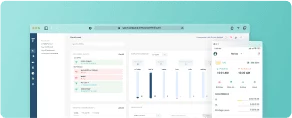
- Providing a centralized compliance management system
- Enabling employee compliance tracking in real time
- Improving workforce compliance management
- Reducing errors caused by manual compliance processes
With better visibility and automation, businesses can handle compliance more effectively as they grow.
Conclusion
Scaling a business brings opportunities, but also increased complexity. Compliance, which once seemed simple, becomes a major operational challenge without the right systems in place.
From compliance visibility issues to audit and compliance challenges, growing companies must deal with multiple risks. However, by adopting a strong compliance management system, businesses can stay ahead of these challenges.
Technology-driven solutions, centralized systems, and real-time tracking are no longer optional. They are essential for sustainable growth.
If your organization is facing challenges in managing compliance as it scales, it may be time to upgrade your approach. You can book a demo with Tempus Central to explore how a smarter system can simplify compliance and improve efficiency